Best Time to Visit Sal – Month by Month, and Which Tours Only Run in Some of Them
6 min read

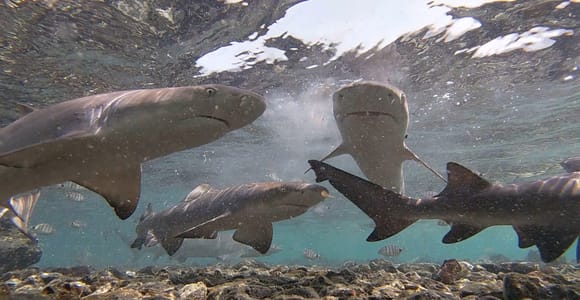
The short answer. Sal is a year-round beach destination, but choose by what you want to do and allow for changing weather and sea conditions. For wind sports, November to May, with stronger winds generally from January to April, according to Cabo Verde’s tourism authority. For nesting turtles, distinguish the biological season, broadly June to October, from the permitted observation dates. The linked guided turtle nesting experience is currently unavailable; do not plan around that booking. For a shark outing, check your dates for the lemon shark eco-tour, €28.50 and 4.8 stars from 494 reviews. The shark eco-tour excludes people with mobility impairments and wheelchair users. Water shoes are required for the rocky shore and are provided free if needed. The description mentions pickup in Santa Maria, Espargos and Murdeira, while the inclusions specify Santa Maria; confirm coverage if staying elsewhere.
Sal is relatively flat and generally dry. INMG’s 1991–2020 climate normals give average temperatures of 22.0 °C in January and 27.4 °C in September at Sal Airport. Cabo Verde’s tourism authority describes a generally dry November-to-July period and a wetter August-to-October period. That is why the question is rarely “will it be sunny” and almost always “will it be windy, and what is in season”.
The wind decides more than the sun
The wind-sport season broadly runs from November to May, with stronger winds generally from January to April. For kitesurfers that is the reason Sal exists; the beginner’s guide says where and how. For everyone else it can mean blowing sand, a stiffer breeze on the beach and choppier conditions at sea. Confirm lesson dates and suitable conditions with the school.
If you want to try wave surfing, a one-hour surf lesson is €38 and 4.7 stars from 87 reviews. This is a surf lesson, not a kitesurfing or windsurfing lesson. Meet at Surf Hub Cabo Verde on Rua 15 de Agosto. Participants must be at least 8 and able to swim well in deep water without assistance. The lesson excludes people with mobility impairments or a low level of fitness, people over 130 kg and people over 70. Confirm the tide-dependent starting time after booking; lessons run only when conditions suit the customer’s skill level.
What happens in each part of the year
| Months | What is on | What to book |
|---|---|---|
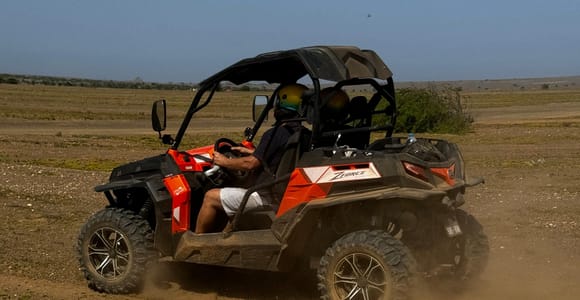
| November to May | Broad wind-sport season; conditions vary | a suitable wind-sport lesson, the island loop, a shark trip |
| March to May | Cabo Verde’s tourism authority describes seasonal whale sightings around Murdeira Bay | check the operator’s route and expectations; do not book for whales alone |
| March to June | Generally within the drier part of the year | the island loop, boats and the beach, subject to conditions |
| June to October | Biological turtle nesting season; authorised observation dates are narrower | the linked guided turtle nesting experience is currently unavailable |
| August to December | Broad hatchling season | check Project Biodiversity’s public hatchery activities; these are separate from nesting tours |
| August to October | The hottest months, and the little rain there is | shade, early starts |
| Your travel dates | Lemon shark watching at Shark Bay | check dates for the shark eco-tour |
Treat the dates as a guide rather than a guarantee. Nobody can promise a sighting, and the sea does what it likes.
The sea
Check the current sea temperature and conditions for the activity you are planning. For a longer session in the water, ask the operator about suitable thermal protection. Read which beaches are safe to swim at, then check local flags, lifeguard advice and the conditions on the day before entering the water. If a snorkelling stop matters to you, confirm how weather, currents and visibility may affect it before booking.
Months that suit particular travellers
- Families with small children: plan for shade and check swimming conditions each day; Sal with children is a starting point, but verify each chosen tour’s age and suitability rules.
- Wildlife: nesting season and permitted turtle-watching dates are different. Decree-Law 50/2024 of 8 October sets the standard observation period at 15 July–30 September and requires organised groups led by a nature guide. Confirm the applicable seasonal authorisation before planning a visit; see the turtle guide for context.
- Sightseeing: choose according to current access and conditions. Midday is generally the best time for the Blue Eye, but its visibility depends on sunlight and sea conditions; check the seasonal stops of the island loop before booking.
Who should not follow the calendar
If your dates are fixed, do not rearrange them for turtles or wind. Check the island tours, boat trips and beach conditions available for your actual dates. And if you are coming for kitesurfing, confirm the season with the school rather than relying on a month.
Our recommendation
Book by month, not by itinerary. Plan nesting-turtle observation only within the authorised season and through an available, authorised operator; the linked turtle experience is currently unavailable. For wind sports, confirm lesson conditions with the school. For a shark outing, check dates and suitability for the lemon shark eco-tour.
Check availability and prices for the lemon shark eco-tour
For a broader sightseeing day, compare the island tours. Use the island-tour comparison to choose an itinerary, then check its seasonal stops, restrictions and availability.